Toy & Book Recommendations by Age
Toys and books matched to your child's developmental stage, organized into open-ended and closed-ended toys.
What is an open-ended toy?
A toy with no fixed way to play: kids figure out how to use it themselves. Like building blocks, it can be combined in many ways and sparks imagination.
What is a closed-ended toy?
A toy that's completed a specific way or has one correct outcome. Like a puzzle, it has a "right answer," which builds a sense of achievement and problem-solving skills.
Both types matter for development, so it's best to offer a balance of the two.
0–3 months+
At this stage, sensory stimulation comes first
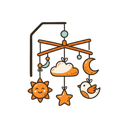
Sensory cloth mobile
High-contrast black-and-white or primary-color patterns help stimulate a newborn's still-developing eyesight, and following the shapes builds visual tracking skills.

Rattle
Shaking it and hearing a sound helps babies begin to sense cause and effect, while gripping it builds hand strength.
Musical mobile
The steady, repeating music and movement offer emotional comfort and gentle auditory stimulation.

Wooden ring / silicone teether
Exploring it with hands and mouth supports tactile stimulation and healthy oral development.
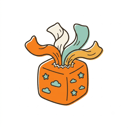
Pull-along fabric scarves
Pulling the fabric out by hand builds arm strength and fine motor skills (before 6 months, it's best to offer just the scarves without the box).
Recommended Books

High-contrast picture book
A high-contrast pattern book matched to a newborn's early stage of visual development.
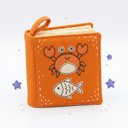
Crinkly cloth book
A first book to touch and listen to, exploring the senses through texture and sound.
3–6 months+
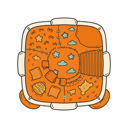
Textured play mat
Freely touching materials of different textures builds tactile awareness, while tummy time on the mat strengthens neck and shoulder muscles.
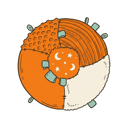
Sensory ball
A ball with varied textures and sounds that babies can freely grip and roll, exploring touch and fine motor skills.
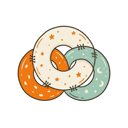
Interlocking discs
Freely connecting and pulling the discs apart builds finger strength and concentration.
Recommended Books
Textured cloth book
A soft board book to explore by touching different textures.
Sound cloth book
Each page makes a different sound, stimulating hearing and touch together.
6–9 months+

Stacking cups
Stacking and knocking them down in any order lets babies freely explore concepts of size and sequence.
Multi-texture ball
Rolling and throwing balls with different textures builds gross motor skills and hand coordination.
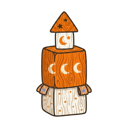
Basic wooden blocks
Even before stacking neatly, holding and knocking the blocks together lets babies explore sound and texture.
Recommended Books
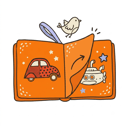
Lift-the-flap book
The peekaboo-style flaps stimulate memory and a sense of anticipation.

Animal sounds picture book
Connecting animals with their sounds builds vocabulary along with auditory stimulation.
9–12 months+
Wooden blocks
Stacking and combining blocks with no set rules builds spatial awareness and creativity.

Cloth doll
With no fixed way to play, cuddling and laying the doll down begins the earliest form of pretend play.
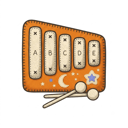
Xylophone / percussion toy
Freely changing how hard and where they hit lets babies explore sound and cause-and-effect.
Recommended Books

Word picture book
A board book that shows one object at a time, starting vocabulary development.
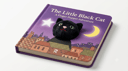
Finger puppet book
Slipping a finger through the puppet hole and moving it builds interactive play.
12–18 months+

Pretend kitchen props (bowls, spoons, etc.)
With no fixed way to use them, kids use their imagination to create all kinds of pretend scenes.

Crayons and large paper
Scribbling freely builds fine motor control in the wrist and fingers along with self-expression.
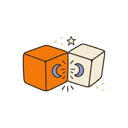
Basic magnetic blocks
Freely attaching and detaching pieces builds spatial construction skills.
Recommended Books

Repetitive-phrase picture book
The same sentence repeats in a rhythmic way, helping kids pick up language naturally.

Body parts picture book
Learning the names of body parts helps build self-awareness of their own body.
18–24 months+
Duplo-style building blocks
Building freely with no set outcome develops creativity together with fine motor skills.
Pretend kitchen play set
Creating their own roles and scenarios builds the foundations of language expression and social skills.

Clothespin play
Pinching the clips builds fine motor strength, and it can be extended into sorting by color.
Recommended Books
Short-story picture book
A simple story with a clear beginning, middle, and end builds comprehension.
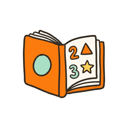
Numbers & colors picture book
Basic concepts are introduced through pictures alongside numbers and colors.
2–3 years+

Dress-up costumes & props
Imagining different jobs and situations builds social skills and language expression.
Advanced magnetic blocks
Freely building flat and 3D structures develops spatial perception and creativity.

Sand play / clay
With no fixed shape, molding it by hand freely expresses touch and imagination.
Recommended Books

Picture book about feelings
Naming emotions and situations helps children understand and process their feelings.

Daily habits picture book
A story-style introduction to daily routines like brushing teeth and potty training.
3–5 years+
Blocks / Lego (complex builds)
Building elaborate free-form structures develops spatial perception and problem-solving skills.
Drawing & craft supplies (assorted art tools)
Expressing freely with no fixed outcome builds creativity.
Pretend play sets (doctor, market, etc.)
Imagining a variety of social situations builds social skills and empathy.
Recommended Books
Story-driven fiction
A clear beginning-middle-end narrative builds narrative comprehension.

Nonfiction picture books (nature, space, etc.)
These spark curiosity and broaden background knowledge.